
Choosing the wrong one among ADU builders Alameda CA 2026 has to offer can cost you months of delay and tens of thousands in change orders you never saw coming. The right answer for most homeowners is a full-service design-build firm with real Alameda permit history, not the cheapest bid or the first contractor who answers the phone. Alameda’s status as an island city means its water, sewer, and electrical infrastructure work differently than the mainland, and its Planning, Building & Transportation Department has its own review quirks that trip up out-of-town crews. This guide walks through what an ADU builder does, what things cost in 2026, which neighborhoods are building the most, and exactly how to check a contractor’s license and track record before you commit.
Get a free estimate from a licensed East Bay ADU contractor before you sign with anyone else.
What Does an ADU Builder in Alameda Actually Do?
An ADU builder in Alameda handles the entire process from design through final inspection: site evaluation, architectural plans, structural engineering, permit submission to the city, and construction. A full-service builder acts as your single point of contact instead of you juggling a separate architect, contractor, and permit expediter.
In practice, this means the builder visits your lot, checks setbacks and easements against Alameda’s zoning code, and tells you honestly whether a detached unit, an attached addition, or a garage conversion fits your parcel. They draw plans that meet California’s statewide ADU law and Alameda’s local objective design standards, then submit those plans to the city’s Building Division for plan check.
Once permits are issued, the same team (or a general contractor they manage directly) handles foundation work, framing, electrical, plumbing, and finishes. Good builders also handle the utility side: coordinating with Alameda Municipal Power for a new electrical service or panel upgrade, and confirming sewer lateral capacity with East Bay Municipal Utility District before construction starts. That last step trips up a lot of first-time ADU owners who assume their existing sewer line can handle a second unit without any review.
How Much Does an ADU Cost in Alameda in 2026?
In Alameda, ADU costs in 2026 typically run $180,000 to $400,000, with garage conversions on the low end and custom detached units with high-end finishes on the high end. Your final number depends on square footage, foundation type, and how much of your existing structure you’re reusing versus building new.
| ADU Type | Typical Size | 2026 Cost Range in Alameda | Typical Timeline |
|---|---|---|---|
| Garage Conversion ADU | 300–500 sq ft | $120,000–$190,000 | 4–6 months |
| Attached ADU | 400–700 sq ft | $200,000–$320,000 | 6–9 months |
| Detached Backyard ADU | 500–1,000 sq ft | $250,000–$400,000+ | 7–11 months |
These figures include design, engineering, permitting fees, and construction. They don’t include optional upgrades like solar, high-end cabinetry, or landscaping around the new structure. A homeowner near Alameda’s Fernside neighborhood recently converted a detached two-car garage into a 420 square foot one-bedroom ADU for roughly $165,000, and the existing slab and roofline kept costs on the lower end of that range.
Older Alameda homes, especially the Victorians and Craftsman-era houses common on the West End, sometimes need foundation upgrades or knob-and-tube electrical replacement before an ADU project can even start. That adds cost most homeowners don’t budget for upfront. If you’d like an accurate quote for your specific lot, get in touch with a builder who can walk the property with you before pricing anything.
Why Alameda’s Island Infrastructure and Permit Office Change the Job
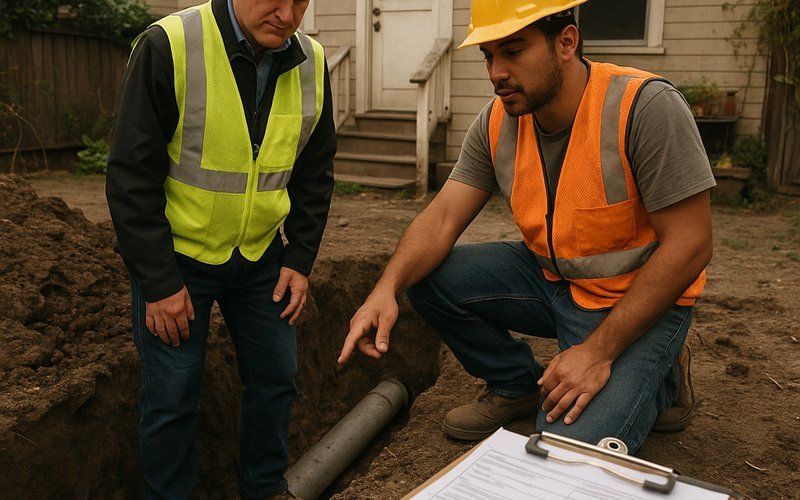
Alameda’s island geography means water, sewer, and power infrastructure often run through smaller, older lines than you’d find on the mainland, and any ADU project has to account for that from day one. This isn’t a minor detail. It affects your timeline and your budget.
The City of Alameda’s Planning, Building & Transportation Department reviews every ADU permit application, and because Alameda is built largely on reclaimed bay fill, soil reports and foundation engineering get more scrutiny here than in many neighboring cities. Builders unfamiliar with this often underbid the foundation line item, then hit you with a change order once soil testing comes back.
Alameda Municipal Power, the city’s own municipal utility (a rarity in the Bay Area, since most cities are served by PG&E), handles electrical service upgrades for new ADUs. That’s actually good news: AMP tends to move faster on service upgrade requests than investor-owned utilities, but only if your builder knows the right point of contact and submits complete applications the first time.
Sewer laterals are another island-specific issue. Many homes on Alameda’s tree-lined streets still have original clay sewer laterals from decades ago, and EBMUD frequently requires a lateral compliance certificate before final ADU approval. A builder who has done this before will schedule that inspection early instead of discovering the problem during final sign-off, when it can delay your certificate of occupancy by weeks.
What ADU Types Work Best in Alameda? Attached, Detached, and Garage Conversions Compared
The best ADU type for your Alameda lot depends on your existing garage, backyard depth, and how much privacy you want between the main house and the new unit. Most Alameda parcels, especially the classic 30 by 100 foot lots common near the city’s core, can accommodate at least one of the three main ADU types.
| ADU Type | Best For | Typical Lot Requirement | Privacy Level |
|---|---|---|---|
| Garage Conversion | Homeowners with an existing detached or attached garage | Works on narrow lots | Moderate |
| Attached ADU | Homeowners wanting lower cost per square foot | Needs side or rear yard space | Lower |
| Detached Backyard ADU | Rental income or multigenerational living | Needs 500+ sq ft of usable rear yard | Highest |
Garage conversions make sense if your garage is structurally sound and you don’t rely on it for parking. Since Alameda eliminated most parking replacement requirements for ADU conversions under state law, you generally don’t need to rebuild parking elsewhere on the lot.
Detached units cost more per square foot because you’re building a full new structure with its own foundation, roof, and utility connections, but they offer the most privacy and the highest rental value. Attached ADUs split the difference: cheaper than detached, but you’ll share at least one wall with the main house.
For a closer look at how to decide between these two options based on your specific lot dimensions, this comparison of detached ADUs versus garage conversions in Alameda breaks down the tradeoffs in more depth.
Which Alameda Neighborhoods Are Seeing the Most ADU Activity?
ADU permit activity in Alameda concentrates in neighborhoods with larger lots and older single-family housing stock, particularly the West End, the Gold Coast, and Fernside. Each has different lot patterns that shape which ADU type makes the most sense.
The West End’s mix of Victorian and Craftsman homes on standard-depth lots has produced a steady stream of garage conversions, since many of these properties already have detached garages set back from the street. In Fernside, larger rear yards along the estuary side of the island have made detached backyard ADUs more common, often built for adult children or aging parents rather than pure rental income.
The Gold Coast, with its larger historic homes and deeper lots, has seen more attached ADU additions, where homeowners extend an existing structure rather than build a freestanding unit. Housing costs in this part of Alameda make ADU rental income especially attractive, and several homeowners here have used their ADU to offset mortgage payments on the primary residence.
Across all of these areas, the common thread is the same: homeowners who work with a builder who already understands Alameda’s lot patterns and permit quirks move through the process noticeably faster than those starting from scratch with an unfamiliar contractor.
How Do You Verify an ADU Builder’s CSLB License and Alameda Permit History?
You verify a builder’s license by searching their name or license number on the California Contractors State License Board website (cslb.ca.gov), which shows license status, classification, bond information, and any disciplinary actions. For ADU work, you want a builder holding a B-General Building Contractor license at minimum.
Here’s what to check before you sign anything:
- License is active, not expired or suspended, and matches the exact business name on your contract
- Workers’ compensation insurance is current, which CSLB’s site will show
- The license has been active for several years, not renewed just before you started shopping around
- No unresolved complaints or judgments listed on the CSLB record
Beyond CSLB, ask directly for addresses of ADU projects the builder has completed within the City of Alameda specifically, not just the greater East Bay. Permit history is public record, and you can call the Planning, Building & Transportation Department to confirm that a builder actually pulled permits under their license number for those addresses. This single phone call catches more inflated portfolios than any online review ever will.
Ask for at least two references from Alameda projects completed in the past two years, and actually call them. A builder confident in their work will hand you contact information without hesitation.
What Should a Full-Service ADU Builder Quote in Alameda Include?
A complete ADU builder quote in Alameda should include design and architectural drawings, structural engineering, permit fees and processing with the city, and full construction costs broken out by phase. If a quote only covers construction and leaves permitting as “handled separately,” that’s a red flag.
Specifically, look for these line items broken out clearly:
- Architectural design and Title 24 energy compliance documents
- Structural and (if needed) soil engineering reports, especially important given Alameda’s fill soil in many areas
- City of Alameda permit fees and plan check submission handling
- Utility coordination fees for Alameda Municipal Power service upgrades and EBMUD sewer lateral review
- Construction costs broken down by foundation, framing, electrical, plumbing, and finishes
- A written timeline with milestone dates, not just a total duration estimate
A quote that bundles everything into one lump number without these categories makes it nearly impossible to compare bids or catch scope gaps later. Ask any builder to walk you through their quote line by line before you sign, and be wary of anyone who resists that conversation.
If you’re evaluating options across the East Bay, the Oakland-based team at Lion ADU Builders quotes projects this way as standard practice, since Alameda and Oakland share many of the same permit and utility considerations given their shared borders and similar housing stock.
What Are the Most Common ADU Mistakes Alameda Homeowners Make?
The most common ADU mistakes in Alameda involve underestimating utility upgrade costs, skipping soil testing, and hiring a contractor without local permit experience. These mistakes are avoidable, but they show up constantly in homeowner forums and after-the-fact complaints.
The biggest one: assuming your existing electrical panel can handle a new ADU. Many older Alameda homes still run 100-amp service, which usually isn’t enough once you add a second dwelling unit’s kitchen and HVAC load. Alameda Municipal Power requires a formal service upgrade application, and that process takes longer if it’s not started early in design.
Second mistake: skipping a sewer lateral inspection before finalizing plans. If EBMUD flags your lateral as non-compliant partway through construction, you’re looking at unplanned trenching costs and a delayed certificate of occupancy.
Third mistake, and maybe the most common: choosing a builder based on the lowest bid without checking whether that bid actually includes design, engineering, and permitting, or just construction labor. Homeowners who compare “apples to oranges” quotes often end up paying more in change orders than they would have paid a full-service builder from the start.
Finally, some homeowners try to act as their own general contractor to save money, without realizing how much coordination Alameda’s permit process requires between the Building Division, AMP, and EBMUD. Honestly, most contractors will tell you this rarely saves money once delays are factored in.
How to Find the Right ADU Builder in Alameda
The right ADU builder for your Alameda project is a licensed, insured design-build firm with documented permit history in Alameda specifically, transparent line-item quotes, and references you can actually call. Don’t settle for a contractor who only does construction and leaves design and permitting to you.
Start by pulling a shortlist of three to four builders, verify each one’s CSLB license, and confirm Alameda permit history with the Planning, Building & Transportation Department directly. Compare quotes line by line using the categories outlined above, and pay attention to how clearly each builder explains AMP and EBMUD coordination, since that’s where inexperienced out-of-town crews tend to stumble.
For homeowners exploring beyond Alameda’s immediate contractor pool, the ADU Builders in Oakland, CA team at Lion ADU Builders brings design-build experience across the East Bay’s island and near-island communities, with the licensing, permit familiarity, and project history to handle Alameda’s specific requirements. It’s worth a call before you commit to anyone, especially if you want one team accountable for design, permitting, and construction from start to finish rather than juggling separate vendors yourself.
Whatever you decide, don’t rush the vetting step. An ADU is a six-figure investment and a permanent addition to your property. Taking an extra week to verify licenses and call references costs you nothing compared to the months and dollars a bad contractor can cost you later.
Frequently Asked Questions
- How much does a 500 square foot ADU cost in Alameda, CA?
- In Alameda, a 500 square foot detached ADU typically runs $220,000 to $340,000 in 2026, depending on foundation type, finish level, and whether the lot needs a new sewer lateral. Garage conversions of similar size cost less, usually $140,000 to $210,000, since they reuse an existing foundation and roofline. Soil conditions on parts of the island, like the fill areas near Bay Farm Island, can add $10,000 to $25,000 for foundation engineering.
- Is there a tax break for building an ADU in California?
- California doesn’t offer a direct tax credit for ADU construction, but property tax reassessment applies only to the new structure’s value, not your existing home. In Alameda, the Alameda County Assessor’s Office will reassess just the ADU square footage, so a homeowner adding a $250,000 unit might see an annual property tax increase of roughly $2,500 to $3,000. Some homeowners also qualify for state ADU grant programs like CalHFA’s ADU Grant, which can reimburse up to $40,000 in pre-construction costs for eligible applicants.
- What are the downsides of building an ADU in Alameda?
- The biggest downsides in Alameda are cost, timeline, and lot constraints. Many Alameda lots, especially in the Fernside and East End neighborhoods, are narrower than 40 feet, which limits detached ADU placement and can trigger additional setback variances. Flood zone requirements near the estuary and older sewer infrastructure on parts of the island can also add unexpected costs once excavation starts.
- Do I need a permit from Alameda’s Building Department for a garage conversion ADU?
- Yes. Any garage conversion ADU in Alameda requires plan review and permits through the city’s Planning, Building and Transportation Department, even if you’re not adding square footage. You’ll need permits covering structural, electrical, plumbing, and often a sewer lateral inspection if the garage wasn’t previously plumbed. Skipping this step is one of the fastest ways to stall a sale later, since unpermitted conversions show up in title searches.
- Does Alameda have pre-approved ADU plans?
- Alameda’s Planning, Building and Transportation Department maintains a pre-approved ADU plan set that homeowners can use to skip full architectural review, cutting several weeks off the permitting timeline. These standard plans work best for detached ADUs on typical rectangular lots and cover a handful of size and layout options up to 800 square feet. Custom designs are still common for garage conversions or irregular lots, like many found in the Gold Coast neighborhood, since those don’t fit the standard templates.
- How long does ADU permitting take through Alameda’s Planning and Building Department?
- In Alameda, permitting for a pre-approved ADU plan typically takes 6 to 10 weeks, while custom detached or attached ADU designs can take 12 to 20 weeks depending on plan check cycles. Projects near the shoreline or in flood zones often need additional review from Alameda’s Public Works Department, adding 2 to 4 weeks. Garage conversions usually process faster since they don’t require new foundation review in most cases.